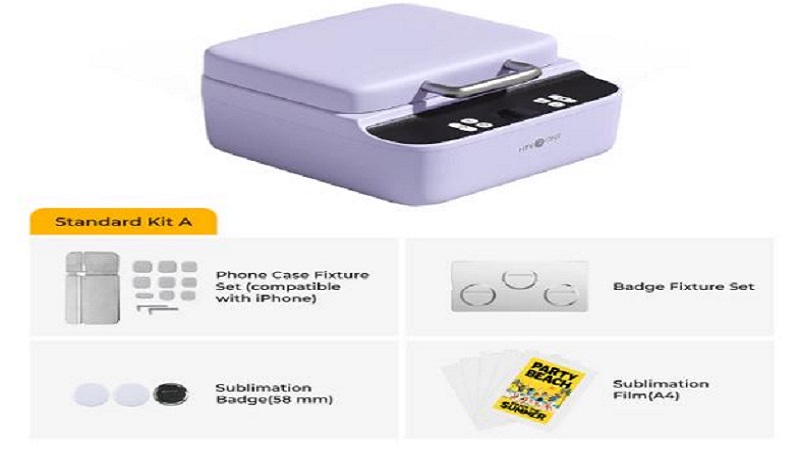
Having a heat press machine, it is easy to transfer designs to a piece of fabric through heat and pressure. Combined with HTVRONT Heat Transfer Vinyl (HTV), it provides long-lasting, smooth, and easy results at the beginner level or the professional level. This synthesis makes personal clothes and artistic work a fast and headache-free task.
Introduction
With a heat press machine and HTVRONT Heat Transfer Vinyl (HTV), it is easy to do custom designs. This combination is so powerful, and you can apply the clean, vibrant designs on the fabric with ease and accuracy. It allows you to get the professional results with less time regardless of whether you are an expert or a novice.
How a Heat Press Machine Works and What It Is
A heat press machine is a tool used to transfer patterns on fabrics by applying heat and pressure on them. A heat press, unlike the conventional ironing procedure, makes sure that temperature is evenly distributed, which is critical to the high-quality and strong transfers. The process of the machine is that the heat transfer vinyl is pressed on the fabric within a specified period of time so that the material and the adhesive backing of the vinyl can integrate effectively.
Heat press machines are available in various sizes and styles; however, their functionality remains the same, and the aim is to give the same results that are consistent and professional in nature. When applied properly, they increase the peeling, cracking, or the irregular designs.
Learning about HTVRONT Heat Transfer Vinyl (HTV)
HTVRONT Heat Transfer Vinyl (HTV) is one of such high-quality materials that are easy to cut and weed and have good adhesion. Crafters are fond of using it, as it can be used with different fabrics such as cotton, polyester, and blends. The vinyl is not cumbersome but strong enough, and in such a way, designs can be soft and flimsy on the clothes.
What is the reason to use a heat press machine with HTVRONT HTV?
Applying HTVRont Heat Transfer Vinyl by a heat press machine has a number of benefits compared to other solutions. The combination has provided the necessary bonding, the vibrant design appearance, and durability of wearing. It also enables the users to get their projects done in a shorter time and also deliver the same quality.
Major advantages of such a combination
- Offers even distribution of heat and pressure for high adhesion of vinyl.
- Minimizes mistakes like transfers or unfinished ones.
- Delivers slick and professional-style designs.
- Conserves time as opposed to hand pressing.
- Applicable to small and bulk orders.
It is a great arrangement by an individual who wants to enhance efficiency and also allow himself to be creative with his work.
How to Use HTVRONT HTV in a Heat Press
The procedure of working with HTVRONT Heat Transfer Vinyl is not that complicated provided you follow the right instructions. The first thing to do is to design or choose your design and cut it with a compatible cutting machine. Ensure that you reflect the design prior to cutting because the HTV is laid face down.
1. Get ready with your design and material
Begin with your design (either created or chosen), cutting it on a heat transfer vinyl with the mirrored setting on. Weed the carrier sheet thoroughly, leaving the design only. It should be pre-pressed for a couple of seconds in order to eliminate dampness and wrinkles.
2. Heat press and place vinyl
Warm the heat press machine to the appropriate temperature of HTVRONT HTV. Put the vinyl design on the fabric shiny side up and apply firm and equal pressure until the necessary time is achieved. This aids the vinyl to integrate well with the cloth.
3. Cool, Peel, and Finish
After the carrier sheet has been peeled off, the design needs to cool according to instructions. When necessary, press the edges one more time. The completed design must appear clean, smooth, and closely bonded on the fabric.
The Familiar Fallacies and the Ways to Avoid Them
Errors may occur despite the quality of materials used unless due precaution is observed. A frequent problem is the application of wrong temperature or pressure levels, and the peeling or scorching may occur. Always be guided by the recommended instructions of HTVRONT HTV, and in case a scrap fabric may be used to test it.
Long-lasting heat transfer design tips
Applying and taking care of your designs is, therefore, the only way to ensure their permanence. Even during the washing of the garment, it is very essential to check that the vinyl is fully bonded. Washing towards the outside and cold water will keep the design, and high heat in drying will minimize the wear and tear.
Adequate operation of a heat press machine is also significant in durability. Regular manipulation and proper timing assist the vinyl fuse to fit the cloth safely, and therefore the design would not crack or fade.
Conclusion
The heat press machines have changed the manner in which custom design is applied onto the fabric, and they can be combined with the HTVRONT Heat Transfer Vinyl, thus making the process even easier. This combination is both reliable and user-friendly and provides professional results without any unneeded complexity. The ability to perfect this technique can lead you down a path of endless creative possibilities, whether you are creating something to enjoy yourself or are creating something to sustain your business.
FAQs:
1. What is the purpose of a heat press machine?
Heat press machine A heat press is a controlled heat and pressure machine that transfers the vinyl design to fabric to produce clean and long-lasting prints.
2. Is HTVRINT Heat Transfer Vinyl beginner-friendly?
No, HTVRONT HTV is difficult to cut, weed, and press, so it suits both a novice and a professional.
3. What is the lifespan of HTVRONT HTV designs on fabric?
HTVRONT HTV designs are smooth and can be washed on numerous occasions when properly maintained.