
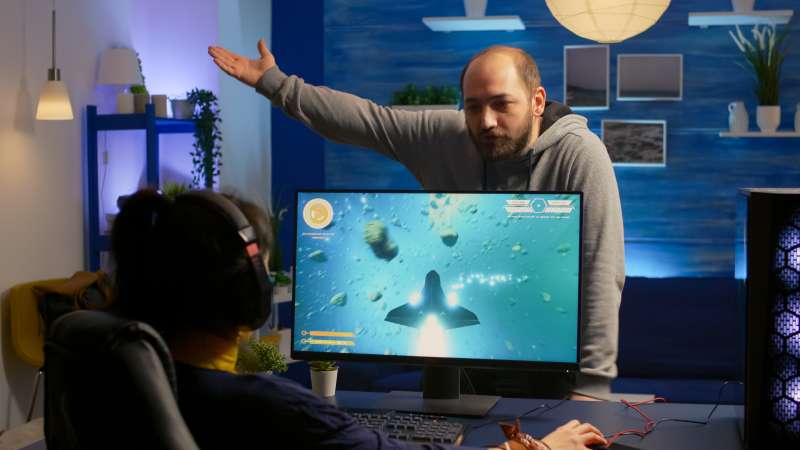
The gaming industry has transformed dramatically over the past few decades. What was once considered a simple form of entertainment has become a global digital ecosystem involving competitive gaming, online communities, streaming, esports, mobile games, virtual worlds, and interactive experiences. DigitalRGSOrg Gaming World represents the broader idea of exploring this rapidly changing gaming environment and understanding what makes modern gaming so engaging.
Today, players can connect with friends across the world, compete against professional gamers, discover new games instantly, and participate in communities built around their favorite titles. Gaming is no longer limited to sitting in front of a console or computer. Smartphones, cloud technology, virtual reality, and high-speed internet have made gaming more accessible than ever.
This guide explores the DigitalRGSOrg Gaming World, including its major features, popular gaming trends, benefits, challenges, and the future of digital gaming.
What Is DigitalRGSOrg Gaming World?
The DigitalRGSOrg Gaming World can be understood as a digital gaming environment where players discover, experience, discuss, and participate in different aspects of modern gaming. It reflects how technology has brought games, players, communities, creators, and competitive events together in one connected ecosystem.
Modern gaming includes much more than playing a single game. Players may watch gaming streams, communicate through online communities, participate in esports tournaments, purchase digital items, follow gaming news, and create their own gaming content.
A modern gaming platform or gaming-focused website can therefore become a central destination for people who want to stay connected with the industry. From casual players looking for entertainment to experienced gamers searching for strategies and competitive opportunities, the digital gaming world offers something for almost everyone.
The Evolution of the Digital Gaming Industry
Gaming has changed significantly since the early days of arcade machines and basic home consoles. Early games were relatively simple, with limited graphics and straightforward gameplay. As computer hardware and software improved, developers gained the ability to create larger and more immersive gaming environments.
The introduction of online multiplayer gaming was one of the industry’s biggest changes. Instead of playing against computer-controlled opponents or people sitting in the same room, gamers could compete with players from different countries.
The rise of smartphones created another major transformation. Mobile gaming brought millions of new players into the industry because people could play games almost anywhere. At the same time, digital distribution reduced the need for physical copies and made it easier for players to access new titles.
Today, technologies such as artificial intelligence, cloud computing, virtual reality, and advanced graphics are pushing gaming toward an even more interactive future.
Why Online Gaming Has Become So Popular
One of the biggest reasons for the growth of online gaming is connectivity. Players can communicate and compete with other people regardless of geographical distance.
Online games also provide continuous experiences. Many multiplayer titles receive regular updates, seasonal events, new characters, maps, and challenges. This keeps players interested and gives them reasons to return.
Another important factor is variety. Players can choose from action games, sports simulations, strategy games, role-playing games, racing games, puzzles, survival experiences, and countless other genres.
Social interaction is equally important. For many gamers, an online game is not simply entertainment; it is a place where they meet friends, communicate with teammates, and become part of a community.
Major Types of Games in the DigitalRGSOrg Gaming World
The modern gaming ecosystem contains many different genres, each offering a unique experience.
Action Games
Action games generally focus on fast reactions, combat, exploration, and challenges. They often appeal to players who enjoy exciting gameplay and immediate interaction.
These games can include single-player campaigns as well as online multiplayer modes. Developers frequently combine action mechanics with storytelling, exploration, and character progression.
Role-Playing Games
Role-playing games allow players to control characters, develop abilities, complete missions, and explore detailed worlds. Character customization and progression are usually important parts of the experience.
Modern role-playing games can offer hundreds of hours of content, making them particularly attractive to players who enjoy exploration and long-term progression.
Strategy Games
Strategy games require planning, decision-making, and resource management. Players may need to build civilizations, manage armies, develop economies, or defeat opponents through carefully planned moves.
This genre demonstrates that gaming is not always about speed. Strategic thinking and patience can be just as important.
Sports and Racing Games
Sports and racing games recreate popular real-world activities in digital environments. Players can compete in football, basketball, racing, and other sports.
Online multiplayer features have made these games particularly popular because players can compete against friends or opponents from around the world.
Simulation Games
Simulation games attempt to recreate real-world activities or systems. Players might manage a city, operate vehicles, build businesses, or control virtual environments.
These games can be relaxing while also requiring planning and problem-solving skills.
The Importance of Gaming Communities
Gaming communities are a major part of the modern gaming experience. A game can become significantly more enjoyable when players have a place to communicate, exchange strategies, share achievements, and discuss updates.
Communities can exist on websites, forums, social media platforms, streaming services, and dedicated gaming applications.
A strong gaming community can also help new players. Beginners can ask questions, learn strategies, discover useful resources, and receive advice from experienced players.
However, healthy communities require responsible behavior. Respectful communication, moderation, and protection against harassment are important for creating a positive environment.
Esports and Competitive Gaming
Esports has transformed gaming into a professional competitive industry. Professional players and teams compete in organized tournaments watched by audiences around the world.
Competitive gaming requires more than natural talent. Professional players often spend many hours practicing mechanics, studying opponents, analyzing gameplay, and developing teamwork.
Esports has also created opportunities outside professional playing. Coaches, analysts, commentators, event organizers, broadcasters, content creators, and technical professionals all contribute to the industry.
As competitive gaming continues to develop, it is likely to remain an important part of the wider DigitalRGSOrg Gaming World.
Gaming Content and Live Streaming
Gaming content has become a major form of digital entertainment. Players can watch live streams, tutorials, reviews, gameplay videos, and tournament broadcasts.
Streaming allows viewers to interact with creators in real time. A streamer may play a game while answering questions from viewers through a live chat.
Gaming content creators can also influence which games become popular. A single entertaining video or viral stream can introduce thousands of people to a particular title.
This has created a new relationship between gaming and digital media. Players are no longer only consumers; many have become creators themselves.
Mobile Gaming and Its Growing Influence
Mobile gaming is one of the most accessible parts of the gaming industry. Smartphones are widely available, making it possible for people to play games without purchasing dedicated gaming hardware.
Mobile games range from simple casual experiences to sophisticated multiplayer titles with impressive graphics.
Another advantage is convenience. A player can enjoy a short gaming session while traveling, taking a break, or waiting for an appointment.
Mobile gaming has also introduced gaming to audiences who may never have considered themselves traditional gamers. This broader accessibility has contributed significantly to the expansion of the global gaming market.
Cloud Gaming: The Next Step in Accessibility
Cloud gaming is another technology changing the way people access games. Traditionally, players needed hardware powerful enough to run demanding games. Cloud gaming can move much of the processing to remote servers and stream the resulting experience to a compatible device.
The major advantage is accessibility. Players may not need expensive gaming hardware to experience certain high-performance games.
However, cloud gaming depends heavily on internet quality. A weak or unstable connection can affect responsiveness and visual quality.
As internet infrastructure improves, cloud gaming could become an increasingly important part of the digital gaming ecosystem.
Virtual Reality and Immersive Gaming
Virtual reality offers a different approach to gaming by placing players inside digital environments. Instead of viewing a game only through a traditional screen, users can interact with a three-dimensional virtual world.
VR technology can make gaming feel more immersive and interactive. It is being used in entertainment, simulations, training experiences, and experimental forms of storytelling.
Although hardware costs and comfort remain challenges, continued technological development could make immersive gaming more accessible to a wider audience.
Artificial Intelligence in Modern Gaming
Artificial intelligence is becoming increasingly important in game development and player experiences. Developers can use AI techniques to create more sophisticated non-player characters, generate environments, improve testing, and personalize certain experiences.
AI can make opponents behave more naturally and create more dynamic gameplay situations.
However, responsible use is important. Developers must balance automation with creativity and ensure that technology improves the gaming experience rather than reducing it.
Benefits of Gaming
Gaming can provide several positive experiences when enjoyed responsibly.
First, many games encourage problem-solving and strategic thinking. Players often need to analyze situations, make decisions, and adapt to changing conditions.
Second, multiplayer games can encourage teamwork and communication. Players must coordinate with teammates and develop strategies to achieve shared goals.
Third, gaming can provide relaxation and entertainment. After a busy day, casual gaming can be an enjoyable way to unwind.
Some games also encourage creativity. Building games, simulation titles, and user-generated content platforms allow players to design environments and experiment with ideas.
The key is maintaining balance. Gaming should complement everyday life rather than interfere with responsibilities, sleep, relationships, or physical activity.
Challenges Facing the Gaming World
Despite its many advantages, digital gaming also faces challenges.
One concern is excessive gaming. Spending too much time playing games can interfere with work, education, sleep, and social responsibilities.
Online safety is another important issue. Players may encounter scams, harassment, inappropriate content, or attempts to steal account information.
Privacy and cybersecurity are also increasingly important because modern games often require online accounts and collect user information.
Parents and players should therefore understand privacy settings, account security, responsible spending, and appropriate gaming habits.
How to Stay Safe While Gaming Online
Online safety should be an essential part of every gaming experience. Players should create strong and unique passwords and enable multi-factor authentication whenever available.
Personal information should not be shared publicly with strangers. Players should also be careful when clicking links sent through gaming chats or communities.
It is equally important to download games and software from trusted sources. Suspicious applications, unofficial modifications, and unknown links can create security risks.
Finally, players should report harassment, scams, and inappropriate behavior through the appropriate platform’s reporting system.
The Future of the DigitalRGSOrg Gaming World
The future of gaming is likely to be more connected, immersive, and interactive. Cloud technology could make high-quality games accessible across more devices, while virtual and augmented reality may create new ways to experience digital environments.
Artificial intelligence may also influence how games are designed and personalized. Players could eventually experience worlds that respond more dynamically to their actions.
Social gaming is another area with strong potential. Games are increasingly becoming digital spaces where people meet, communicate, create content, and participate in events.
The boundaries between gaming, entertainment, social media, and digital communities may continue to become less distinct.
Tips for Getting the Most From Your Gaming Experience
Players can improve their gaming experience by following a few simple principles.
Choose games that match your interests. There is no need to follow every popular trend. The best game is one that you genuinely enjoy.
Set reasonable gaming limits. Taking regular breaks can help maintain balance and reduce fatigue.
Protect your accounts. Use strong passwords and additional security features whenever possible.
Join positive communities. Friendly communities can make gaming more enjoyable and provide valuable advice.
Explore different genres. Trying new types of games can introduce you to experiences you might otherwise miss.
Keep your software updated. Updates can improve performance, fix security vulnerabilities, and add new features.
Why Digital Gaming Will Continue to Grow
The gaming industry continues to expand because it combines technology, entertainment, creativity, and social interaction. Unlike traditional forms of entertainment, games allow audiences to participate directly.
A movie tells viewers a story, while a game can allow players to influence how that story unfolds. An online game can also connect thousands or millions of people in the same digital environment.
As devices become more powerful and internet connections become faster, gaming experiences are likely to become increasingly sophisticated.
For this reason, the DigitalRGSOrg Gaming World represents more than just games. It reflects a broader digital culture in which players, developers, creators, communities, and technologies interact continuously.
Frequently Asked Questions About DigitalRGSOrg Gaming World
What is DigitalRGSOrg Gaming World?
DigitalRGSOrg Gaming World refers to the broader digital gaming ecosystem involving games, online communities, competitive gaming, streaming, mobile gaming, and emerging technologies.
Why is online gaming so popular?
Online gaming is popular because it allows people to enjoy interactive entertainment while connecting and competing with players around the world.
Is gaming good for players?
Gaming can provide entertainment and may encourage problem-solving, strategic thinking, creativity, and teamwork when practiced in moderation.
What is the future of gaming?
The future is expected to include greater use of cloud gaming, artificial intelligence, virtual reality, improved multiplayer experiences, and more connected digital communities.
How can gamers stay safe online?
Gamers should protect their accounts with strong passwords and multi-factor authentication, avoid suspicious links, limit personal information sharing, and use trusted software sources.
Conclusion
The DigitalRGSOrg Gaming World represents the exciting evolution of gaming from simple entertainment into a connected digital ecosystem. Modern gaming combines technology, creativity, competition, social interaction, and immersive experiences.
From mobile games and esports to cloud gaming, streaming, artificial intelligence, and virtual reality, the industry continues to evolve rapidly. Players now have more choices and opportunities than ever before.
However, enjoying the gaming world responsibly is essential. Good security practices, healthy time management, respectful communication, and careful online behavior can help players get the most from their experiences.
As technology continues to advance, gaming will likely become even more immersive and accessible. The future of the DigitalRGSOrg Gaming World is therefore full of possibilities, offering new ways for people to play, compete, create, and connect in the digital age.